Nano Banana 2.1 and GPT Image 2.5 are both designed for more than simply turning text into an attractive image.
The more useful question is:
What happens when both models receive exactly the same creative task?
For this comparison, we used the same prompts and, where relevant, the same reference images across six different workflows:
Commercial Photography → Animation → Magazine Design → Cinematic VFX → Reference Editing → Character Consistency
The goal is not to declare a winner. It is to understand how the two models interpret the same instructions differently.
You can reproduce similar tests through Movmix AI Text to Image and AI Image to Image.
How We Compared Nano Banana 2.1 and GPT Image 2.5
To keep the comparison fair, each test followed the same basic rules:
Same prompt.
Same reference image when editing.
No model-specific prompt optimization on the first attempt.
We focused on these areas:
| Capability | What We Checked |
|---|---|
| Prompt Following | Whether the model followed the requested composition and details |
| Image Quality | Whether people, objects, lighting, and materials looked natural |
| Stylization | Whether animation and creative styles remained coherent |
| Reference Fidelity | Whether uploaded subjects stayed recognizable |
| Character Consistency | Whether the same identity survived a scene change |
| Text & Layout | Whether typography and editorial structure worked |
| Spatial Reasoning | Whether complex scenes remained physically believable |
The point was not to judge which image looked prettier at first glance. Control and interpretation matter just as much as visual impact.
Test 1: Premium Travel Commercial Photography
The first test used a realistic commercial photography prompt containing a person, clothing, luggage, architecture, aircraft, composition, and natural lighting.
Same Prompt
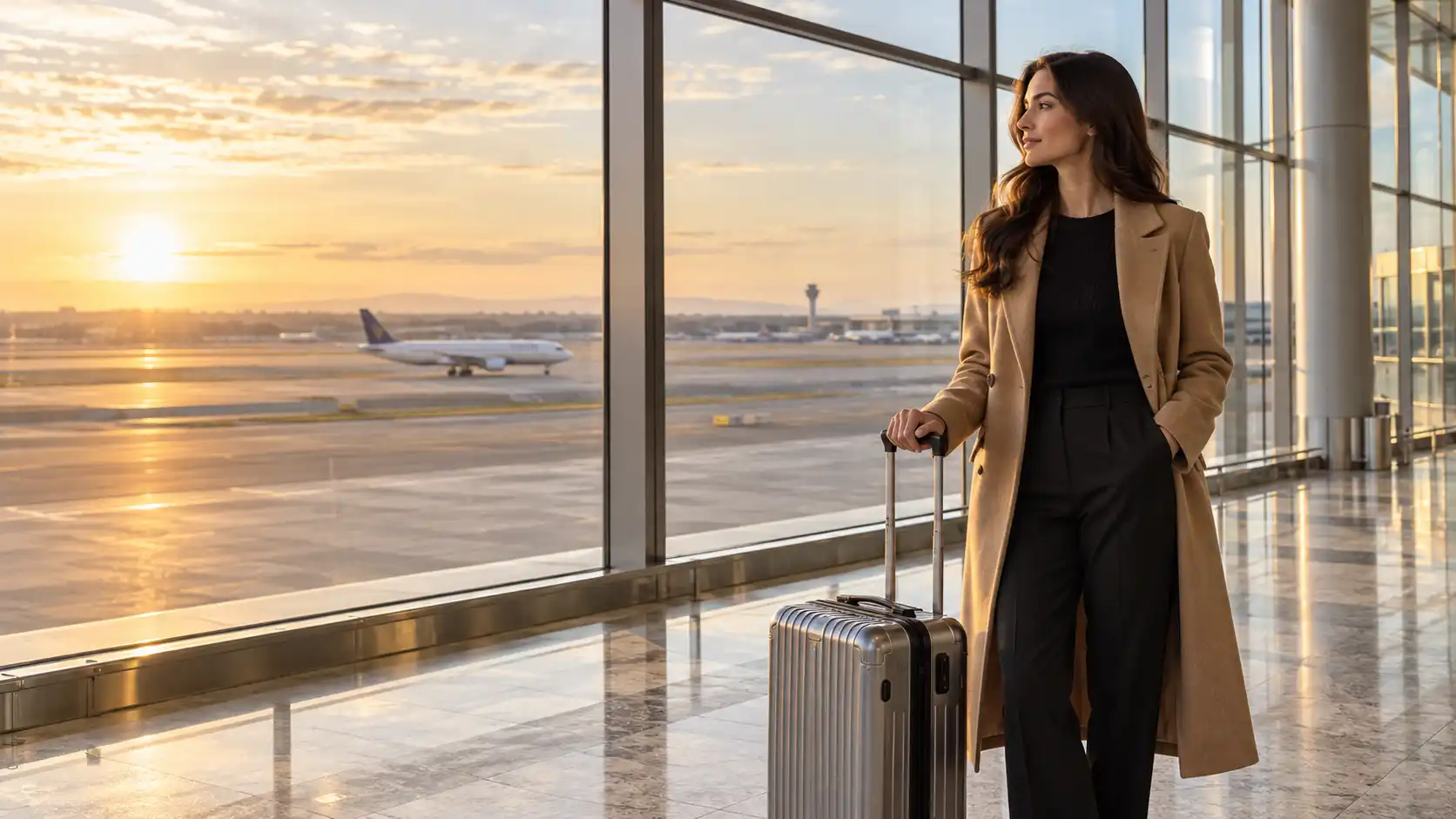
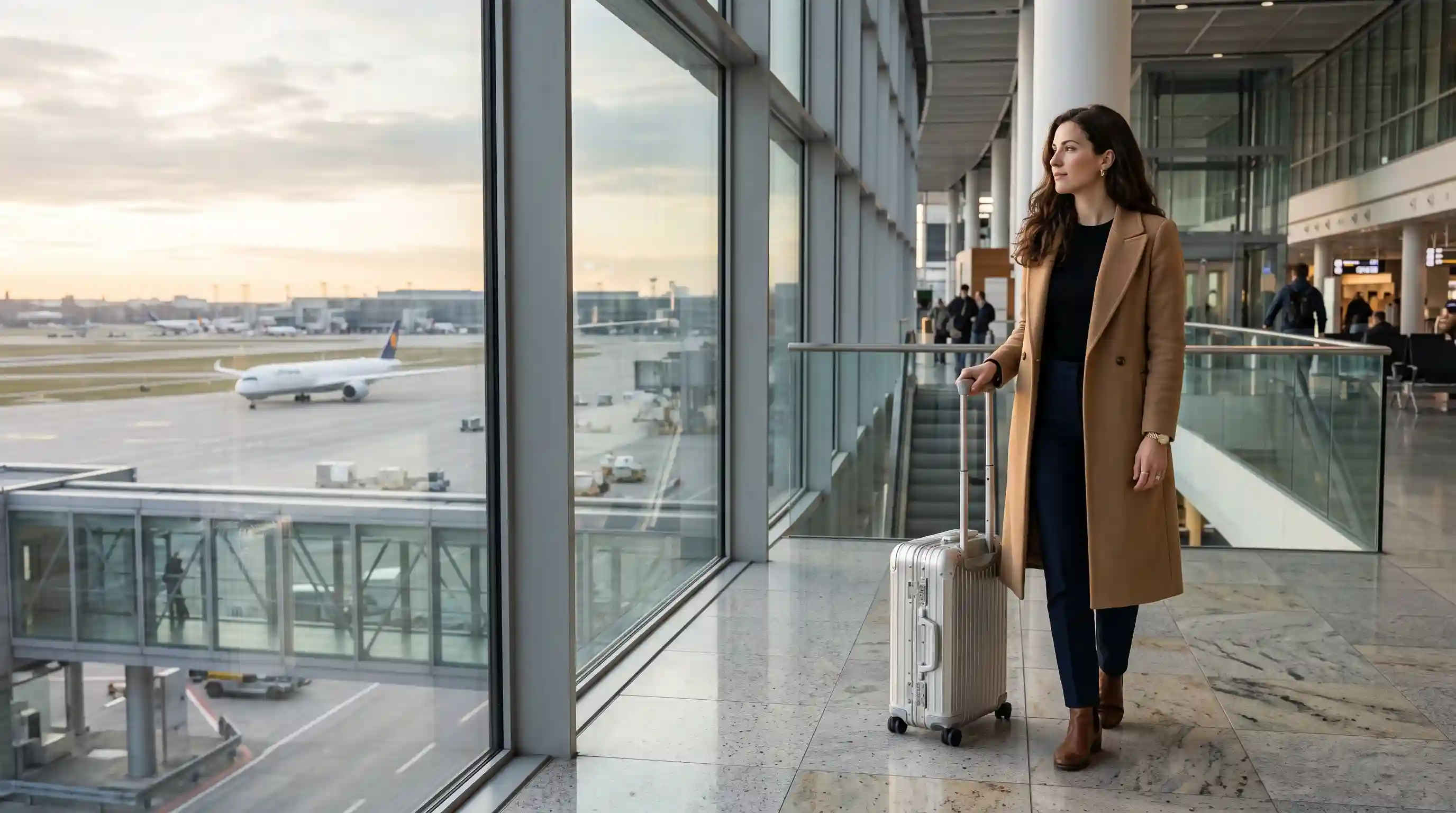
16:9 horizontal premium international travel lifestyle commercial photography. A brunette European woman stands in front of the enormous floor-to-ceiling windows of a modern international airport, wearing a cleanly tailored camel long coat, black knit top, and dark trousers. A hard-shell silver-gray suitcase stands beside her. Place the woman in the right third of the frame. One hand rests naturally on the suitcase handle while she turns slightly and looks toward the airport apron outside. Through the window, show a passenger aircraft taxiing in the distance beneath a soft pale-gold morning sky. Keep the aircraft at a natural scale and do not let it dominate the image. The airport interior uses pale natural stone flooring, large glass surfaces, and minimal metal architecture. Soft morning daylight enters through the windows and creates realistic highlights and reflections across the woman's hair, coat, suitcase, glass, and stone floor. 50mm commercial photography, medium-wide composition, realistic skin, wool, metal, glass, and stone textures, premium international travel brand campaign aesthetic. No additional main subjects, no text, no logo, no watermark.
What We Found
Both models successfully included the core elements: the woman, camel coat, silver suitcase, airport windows, runway, and aircraft.
Nano Banana 2.1 produced a more restrained image. The airport architecture, glass, aircraft, and figure felt close to high-quality travel lifestyle photography. The environment remained believable and relatively understated.
GPT Image 2.5 interpreted the same prompt with stronger commercial styling. The warm light created more pronounced highlights across the person, coat, suitcase, and floor, making the result feel closer to a polished travel campaign.
Key Difference:
Nano Banana 2.1 leaned toward natural lifestyle photography, while GPT Image 2.5 leaned toward more deliberately styled commercial imagery.
Test 2: Original Animated Movie Scene
The second test moved away from photorealism to examine stylization, character design, and visual storytelling.
Same Prompt
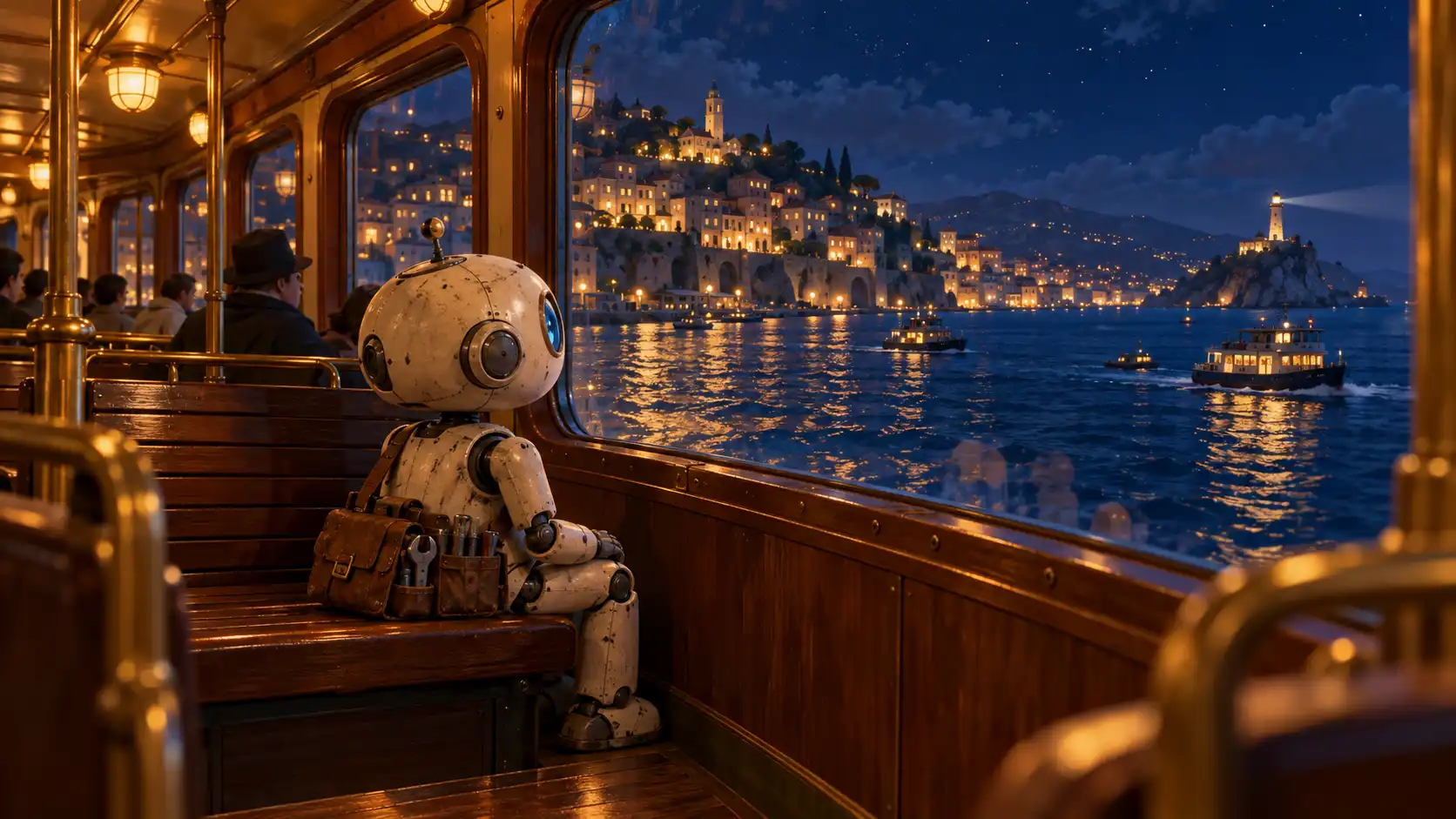
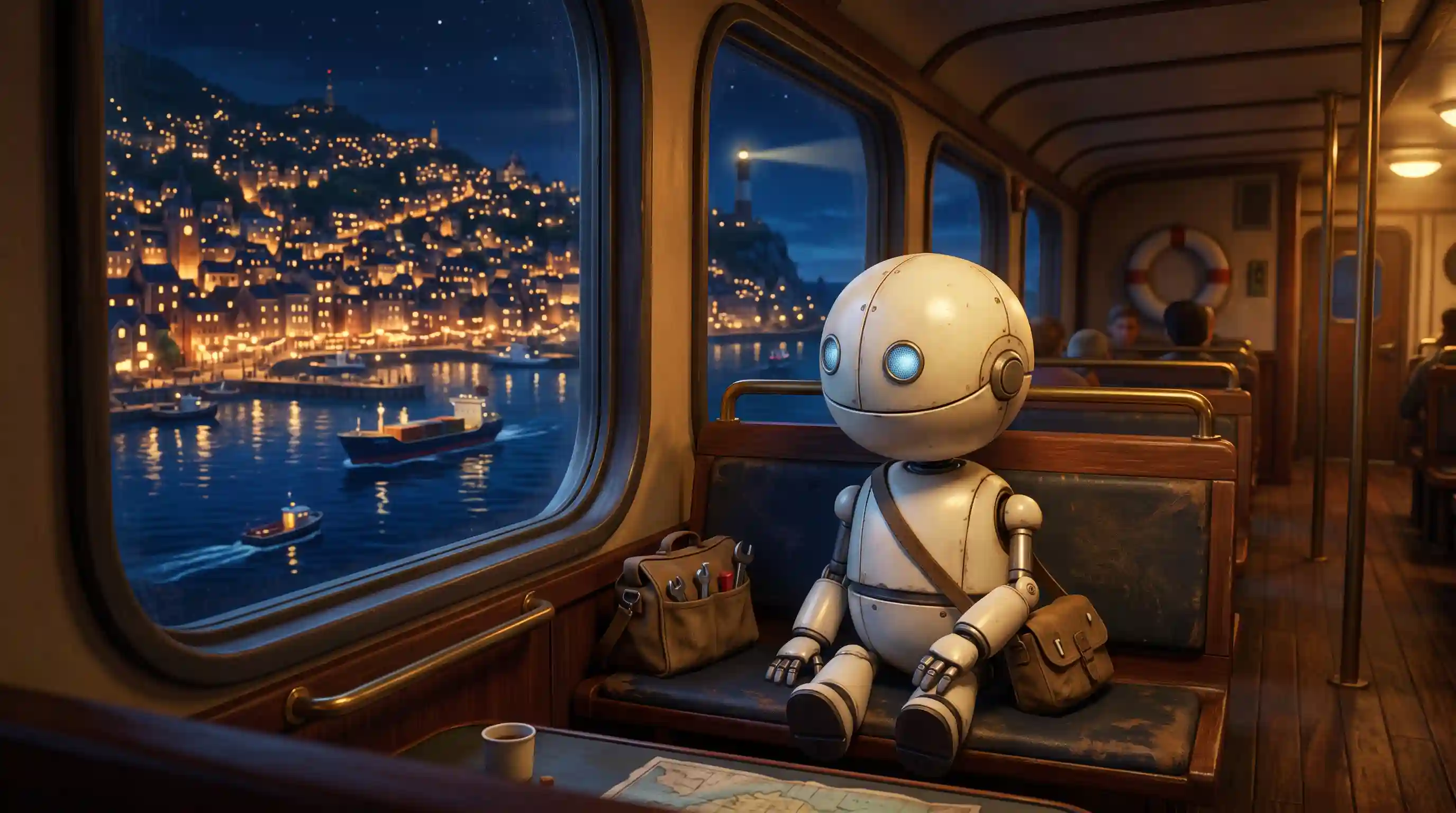
16:9 horizontal high-quality original animated movie frame. A small round-headed maintenance robot sits alone beside a window on a night ferry. The robot has an off-white metal shell, circular blue glass eyes, and a worn brown tool bag. Its design is simple, friendly, and distinctive. The robot rests both hands on its knees and quietly looks out of the window. The ferry is passing a harbor city built along a hillside. Outside the window are layers of warm glowing houses, a deep blue sea, a distant lighthouse, and several slowly moving boats. The ferry interior features dark wooden seats, brass handrails, and rounded window frames. Warm interior lighting contrasts naturally with the deep blue night outside. Position the camera slightly behind and to the side of the robot, using a medium-wide view that shows the character, ferry interior, and harbor city together. Premium original animated feature-film art direction, combining a soft hand-painted feel with refined 3D lighting. Keep the character design coherent and the environment detailed but not cluttered. Do not imitate any existing animation franchise. No text, no logo, no watermark.
What We Found
Both models understood the central story: a robot sitting inside a ferry while looking toward a harbor city at night.
Nano Banana 2.1 created a clean, readable character design with a clear round silhouette and consistent animation style. The ferry and city were easy to understand, and the composition remained relatively simple.
GPT Image 2.5 added more environmental detail and material variation. The robot surface, wooden seats, brass structures, tool bag, reflections on the water, and city lighting produced a more cinematic frame.
Key Difference:
Nano Banana 2.1 emphasized clean, stable animation design, while GPT Image 2.5 emphasized richer cinematic atmosphere and environmental storytelling.
Test 3: Editorial Travel Magazine Cover
The third test combined photography, typography, hierarchy, and editorial composition.
Same Prompt
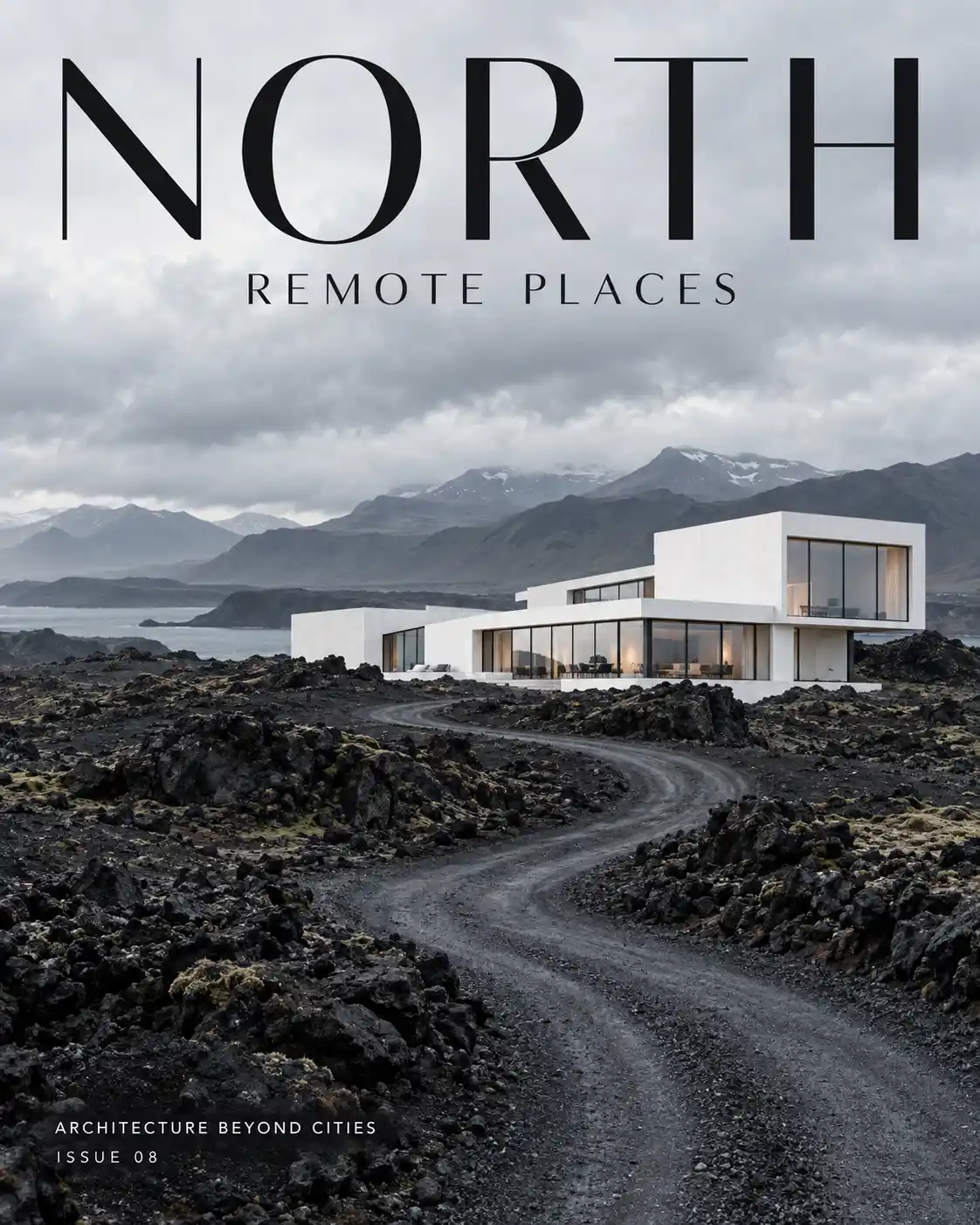
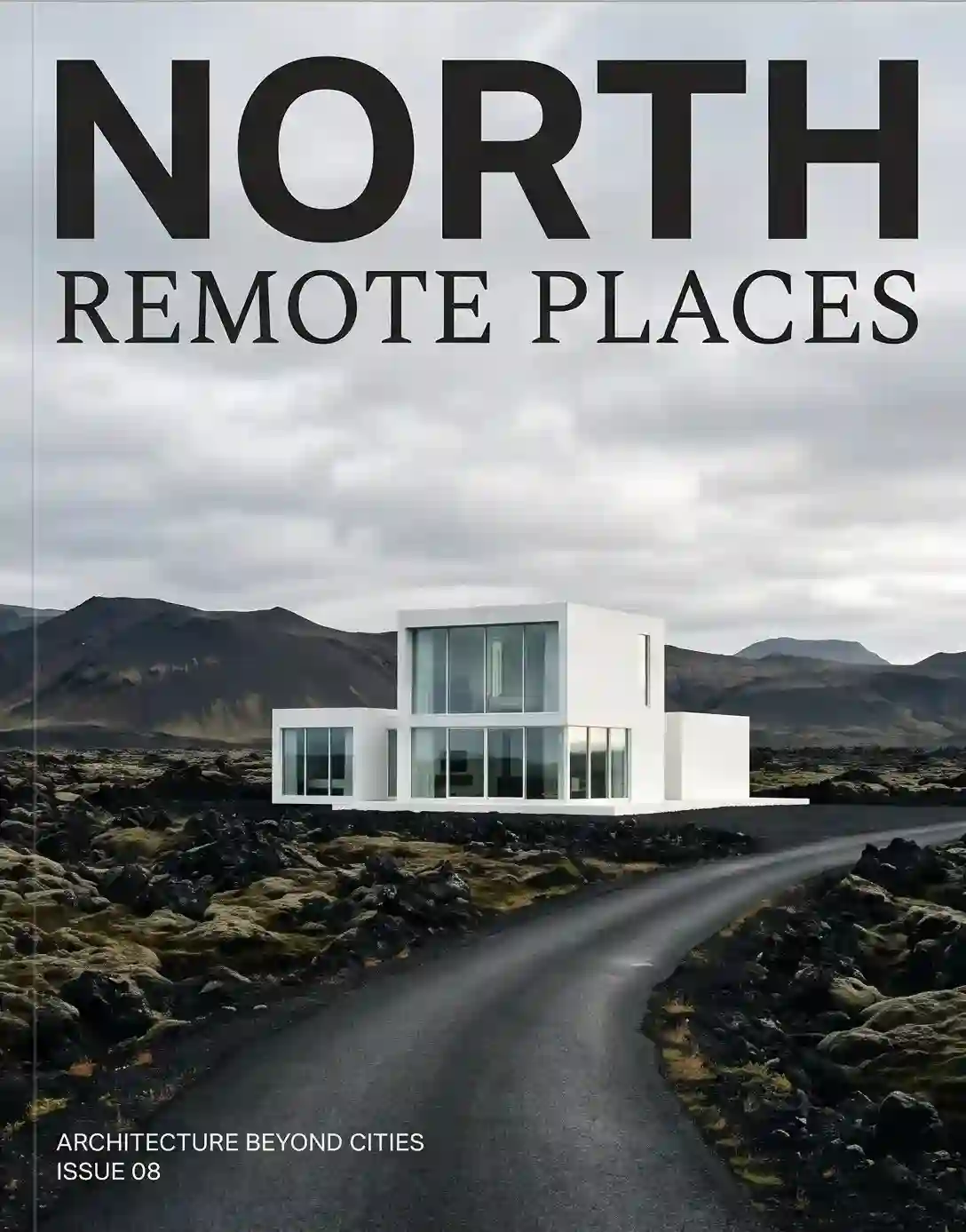
4:5 vertical premium contemporary travel magazine cover. The main image shows a white minimalist house located in a black volcanic landscape. The building has large floor-to-ceiling windows and clean geometric architecture. A narrow road runs from the foreground toward the house, with low mountains and an overcast sky in the distance. No people. Realistic, premium, restrained architectural photography. Strong contrast between black volcanic rock and the white building, with soft overcast daylight and a sophisticated architectural travel magazine aesthetic. At the top, clearly display the large magazine title: “NORTH” Below it, display: “REMOTE PLACES” In the lower-left corner, display two smaller lines: “ARCHITECTURE BEYOND CITIES” “ISSUE 08” All text must be spelled correctly. Use a modern editorial layout with the magazine title as the largest element, the theme title second, and the lower-left information smallest. Do not cover the building with text. Generous negative space, strict magazine grid layout, no additional text, no logo, no watermark.
What We Found
Both models rendered all four text elements correctly:
NORTH
REMOTE PLACES
ARCHITECTURE BEYOND CITIES
ISSUE 08
The difference was mainly in how they interpreted the phrase “magazine cover.”
Nano Banana 2.1 presented the result as a physical magazine mockup against a neutral background. The hierarchy was clear, and the cover itself remained readable, but the model added an extra presentation layer that was not explicitly requested.
GPT Image 2.5 generated the editorial cover directly. The magazine title, subtitle, lower-left information, architecture, and road were integrated more tightly into a single layout.
Key Difference:
Nano Banana 2.1 interpreted the task more like a finished magazine mockup, while GPT Image 2.5 treated it more like a direct editorial cover design.
Neither interpretation is inherently wrong—they simply reflect different readings of the same prompt.
Test 4: Cinematic VFX Scene
The fourth test was deliberately complex, combining architecture, hundreds of objects, unusual physics, lighting, scale, and a human figure.
Same Prompt
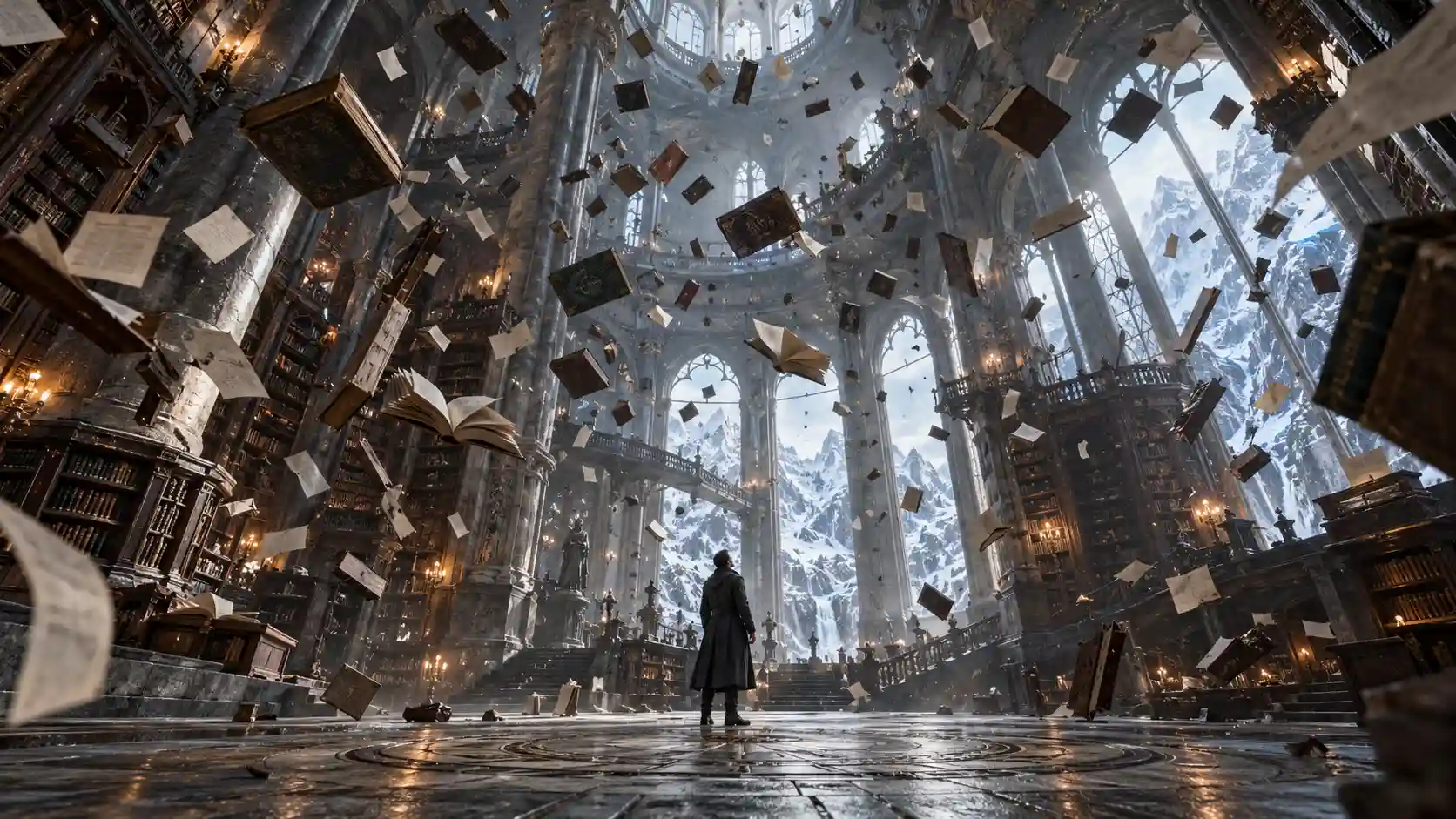
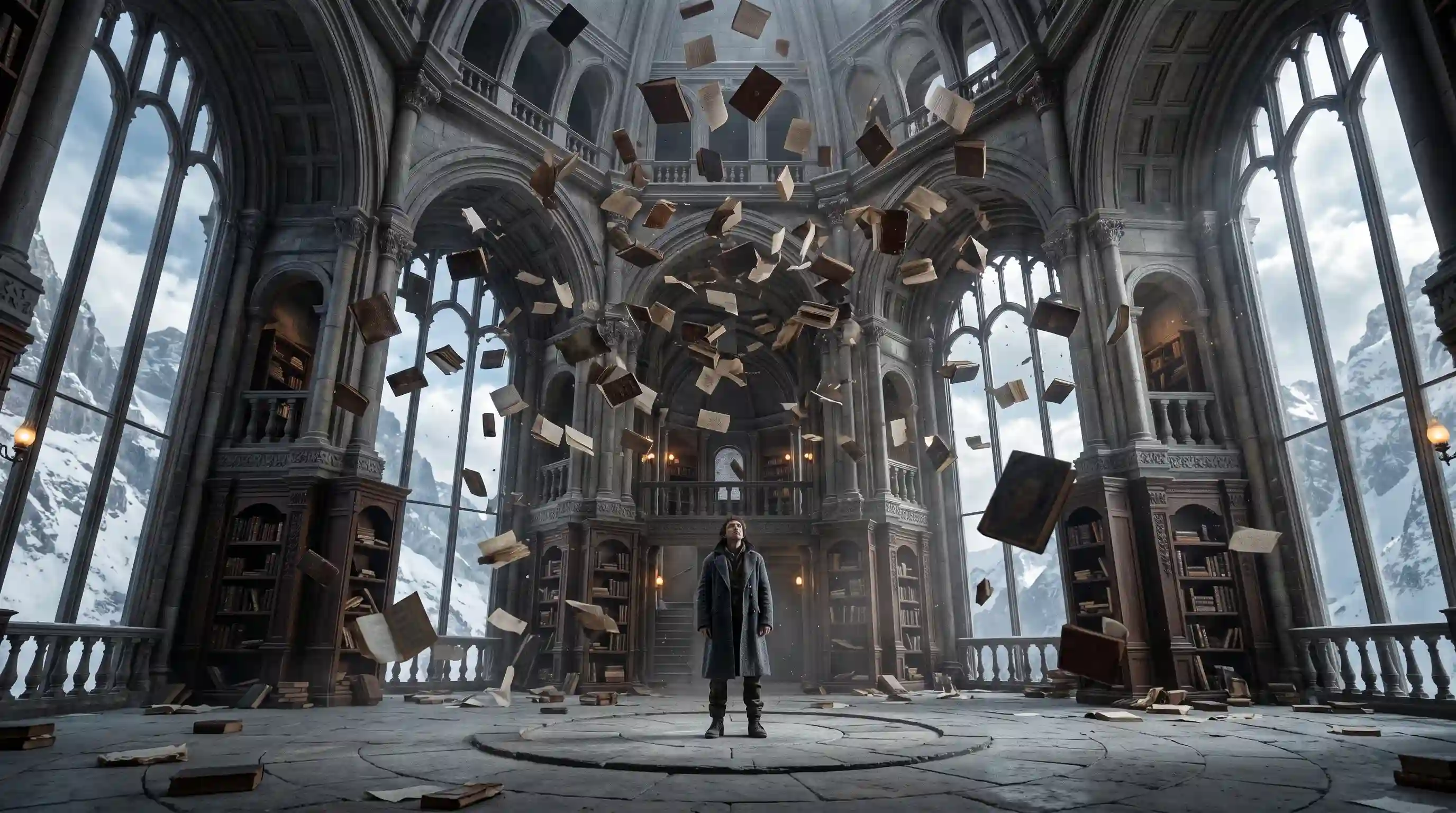
16:9 horizontal epic realistic cinematic visual-effects shot. A massive ancient stone library sits inside a snow-covered mountain valley. Inside the library, gravity has suddenly disappeared. Hundreds of old books, loose pages, a small amount of broken wooden shelving, and fine dust slowly float through the enormous hall. All books and papers must keep believable physical structure. They are floating because of zero gravity, not melting, duplicating, or deforming unnaturally. A person wearing a dark gray long coat stands normally on the circular stone floor in the center of the hall, looking upward at the books floating beneath the ceiling dozens of meters above. The library has enormous arched windows, dark wooden bookshelves, tall stone columns, and a complex vaulted ceiling. Snow-covered mountains are clearly visible outside. Cool natural light enters through the giant windows and creates depth through the floating paper, books, and fine dust. Keep a small amount of warm wall lighting deeper inside the library. Use an ultra-wide low camera angle to emphasize the scale difference between the person and the enormous architecture. Realistic cinematic photography combined with high-quality VFX. Complex but believable physics, realistic stone, wood, paper, and fabric materials. Epic and visually powerful, but maintain a realistic film look. No game-art appearance, no magical beams, no explosions, no text, no logo, no watermark.
What We Found
Both models clearly understood the idea of a zero-gravity library. The central figure, floating books, monumental architecture, mountain background, and cold lighting were all present.
Nano Banana 2.1 simplified the scene. Fewer books and papers filled the space, which made the architecture easier to read and the overall composition more controlled.
GPT Image 2.5 interpreted the “hundreds of books” and “epic VFX” instructions more aggressively. The hall contained far more floating objects, stronger atmospheric layering, and a more dramatic sense of scale.
The tradeoff was that the GPT result moved closer to a highly stylized fantasy-film aesthetic.
Key Difference:
Nano Banana 2.1 favored clearer spatial structure and restraint, while GPT Image 2.5 favored scale, complexity, and dramatic visual impact.
Test 5: Reference Image Editing — Change the Environment, Keep the Espresso Machine
This test focused on a practical commercial editing problem:
Can the model change the scene without redesigning the product?
Same Editing Prompt
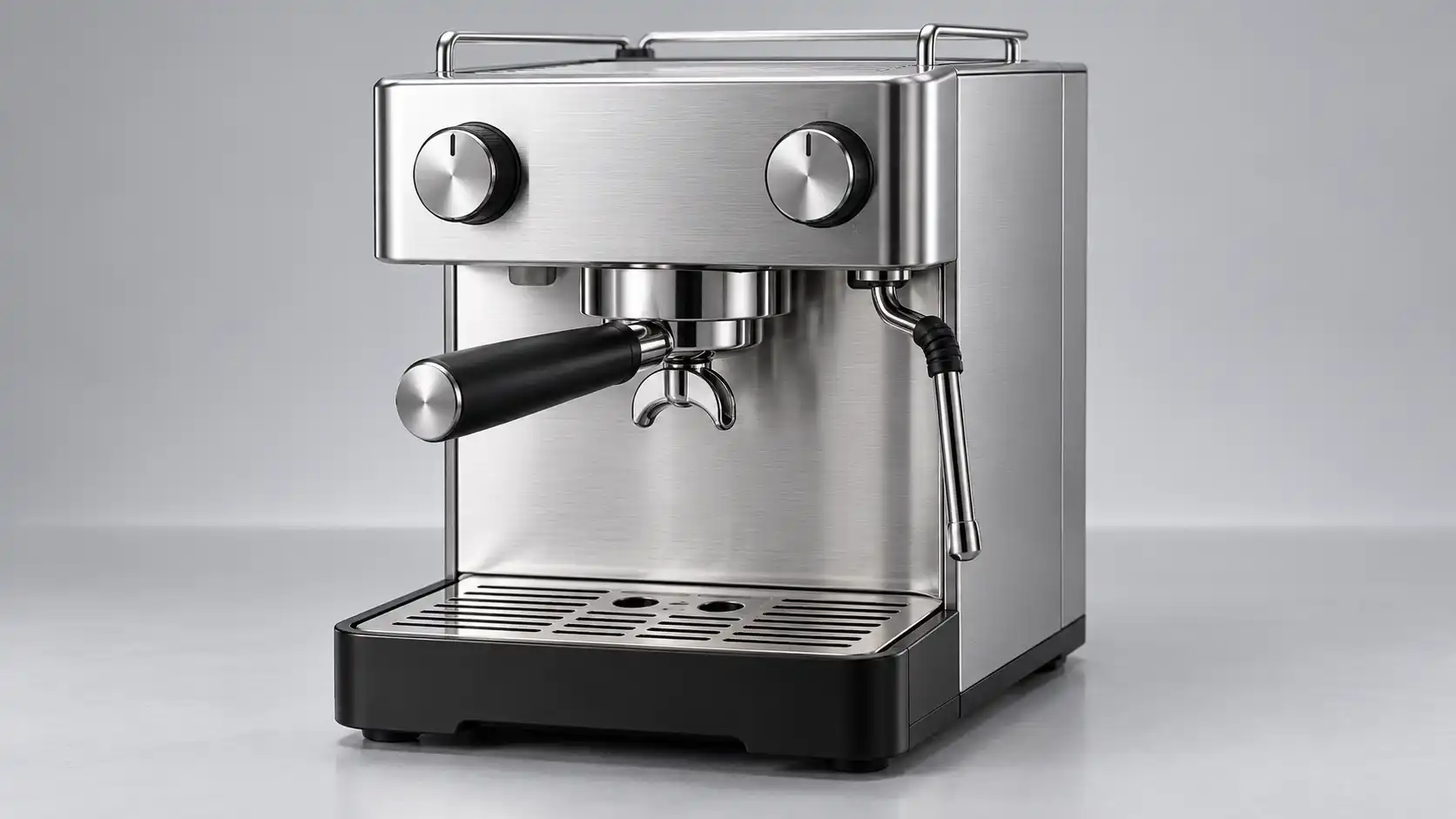
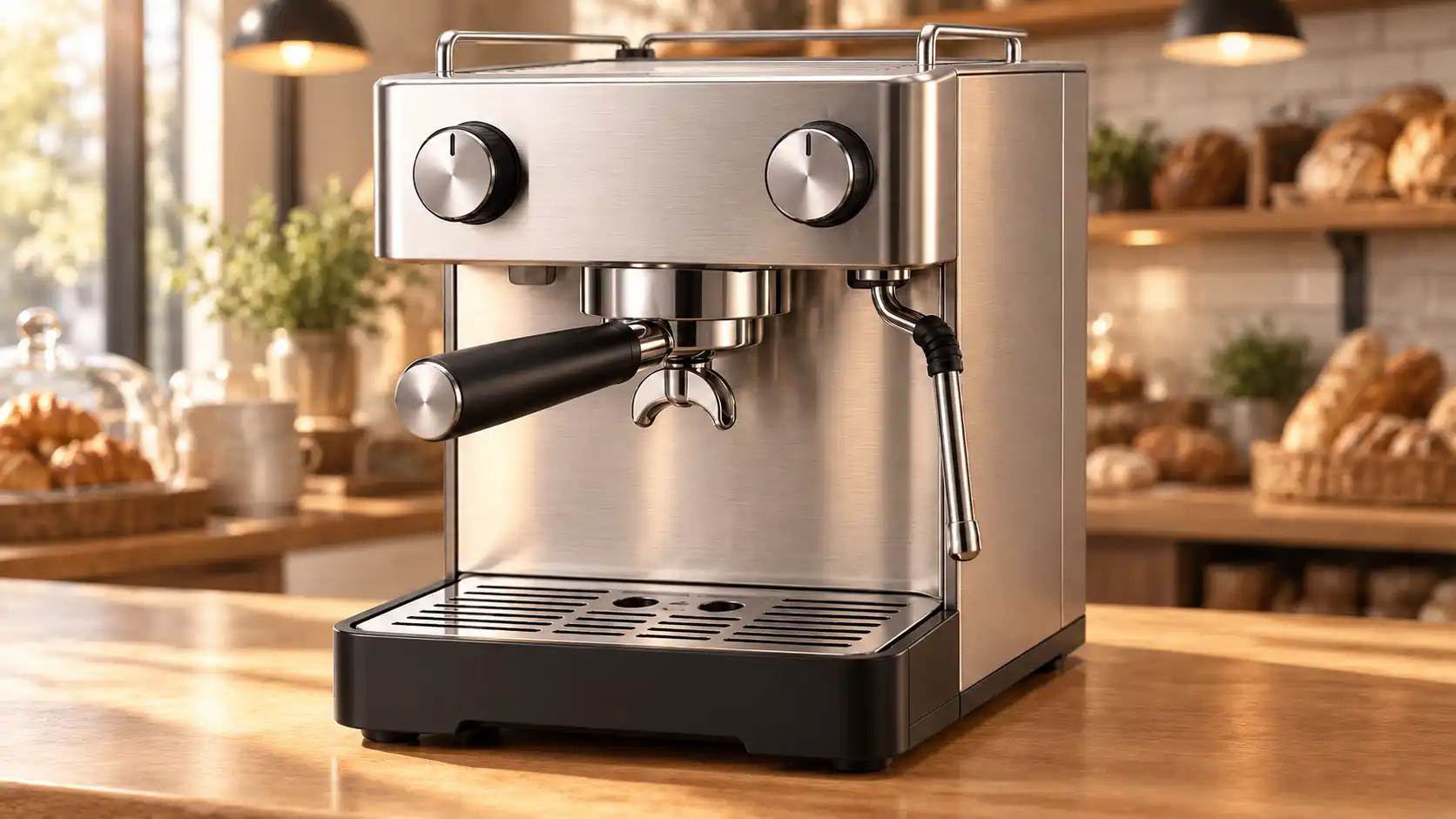
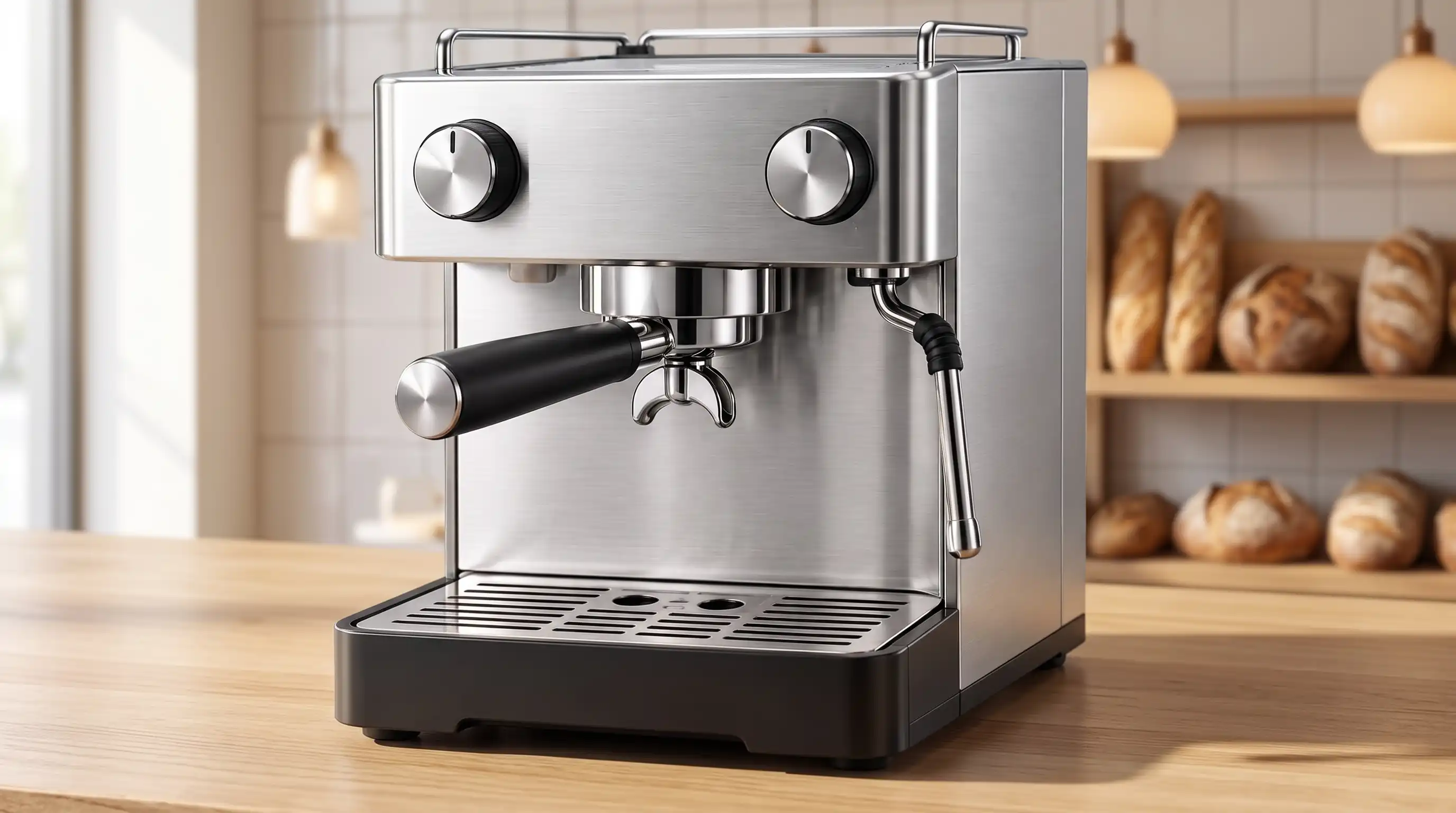
Keep the espresso machine from the reference image completely unchanged, including its size and proportions, brushed silver stainless-steel surface, two circular control knobs, central dual outlet, right-side steam wand, and black drip tray. Only replace the surrounding environment. Replace the light-gray studio with the counter of a premium bakery in the morning. Place the espresso machine naturally on a pale solid-wood worktop. In the softly blurred background, show wooden bread shelves, pale tiled walls, a small amount of baked bread, and warm pendant lights. Morning daylight enters through a window on the left and creates natural environmental reflections on the stainless-steel machine. Regenerate realistic contact shadows based on the wooden worktop. Do not redesign the espresso machine, add or remove controls, change the dual outlet, move the steam wand, change the product size, or add branding or text.
What We Found
Both models successfully moved the espresso machine into a bakery environment while retaining the stainless-steel body, two front controls, central brewing area, right-side steam wand, and black base.
Nano Banana 2.1 handled the edit more conservatively. The main geometry and control placement remained relatively close to the reference image, while the bakery background stayed restrained.
GPT Image 2.5 integrated the product more actively into the new environment. The wooden counter, bakery lighting, bread shelves, and metal reflections felt strongly connected to one another, but the central brewing area was also interpreted more freely.
Key Difference:
Nano Banana 2.1 leaned toward reference preservation, while GPT Image 2.5 leaned toward environmental integration and visual reinterpretation.
That distinction can matter in commercial workflows where preserving the exact product matters more than making the new environment visually dramatic.
Test 6: Character Consistency — Move the Same Tailor Into a Workshop
The final test examined whether a character could remain recognizable after moving from a neutral reference image into a working environment.
Same Editing Prompt
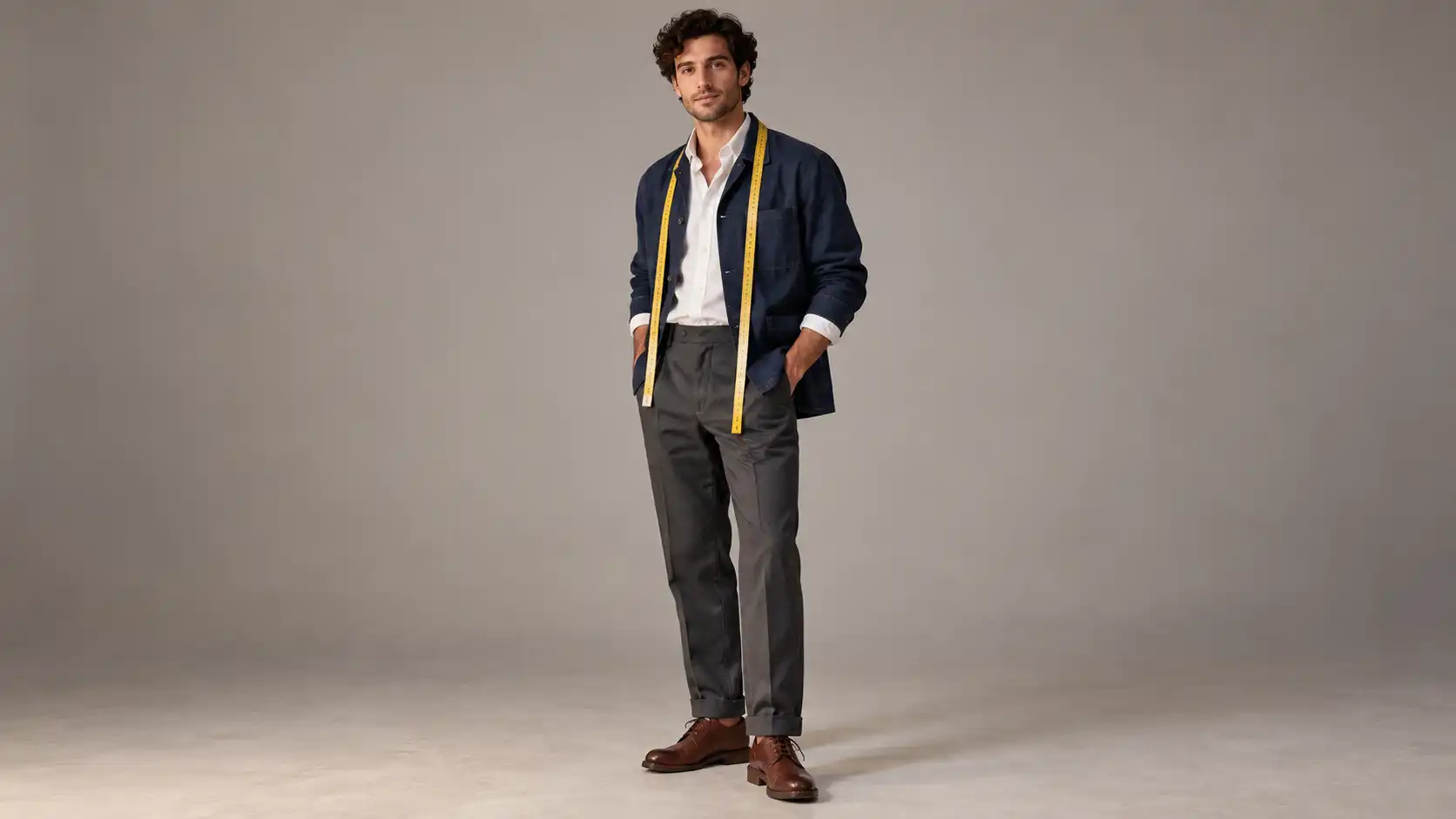
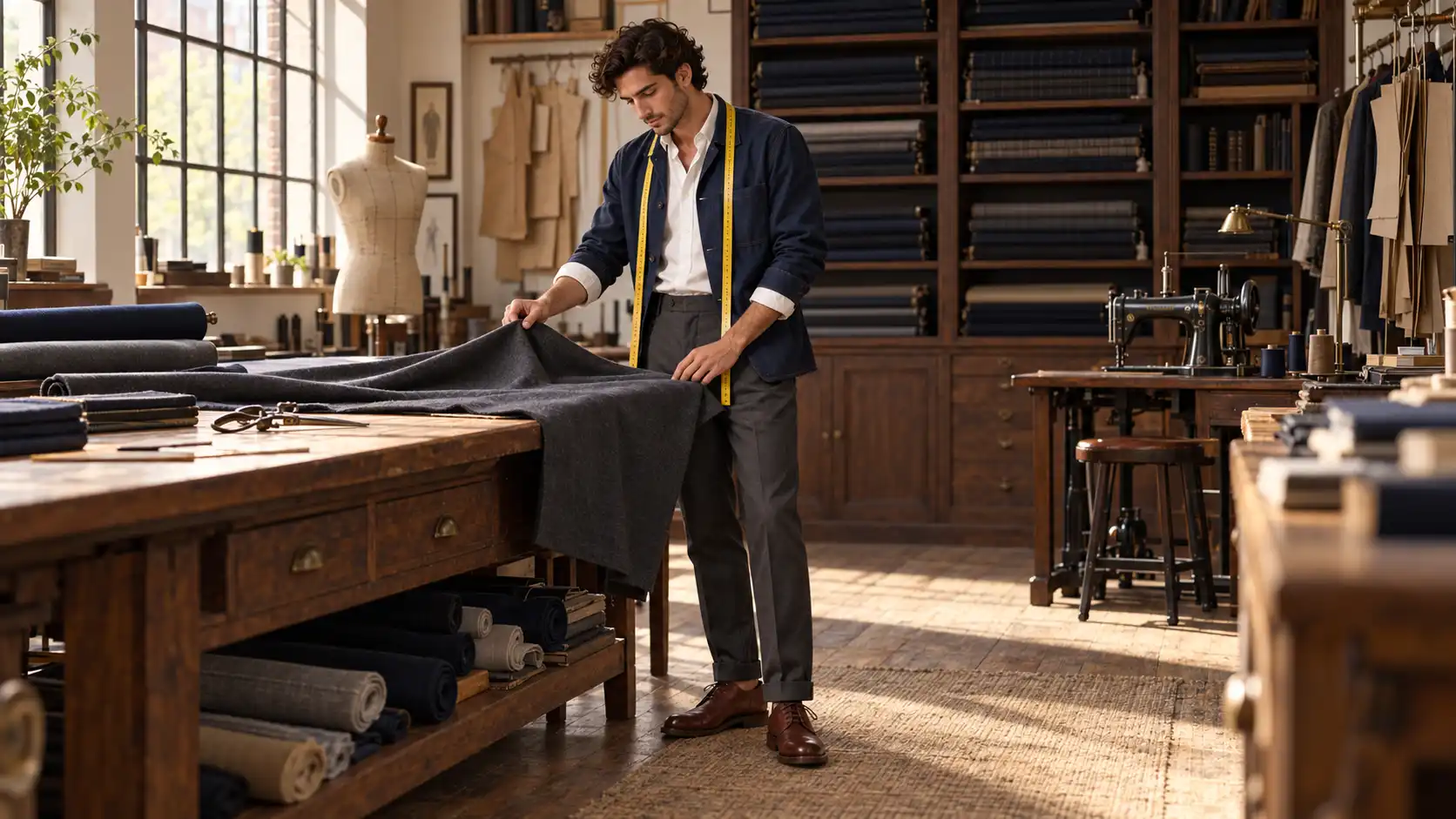
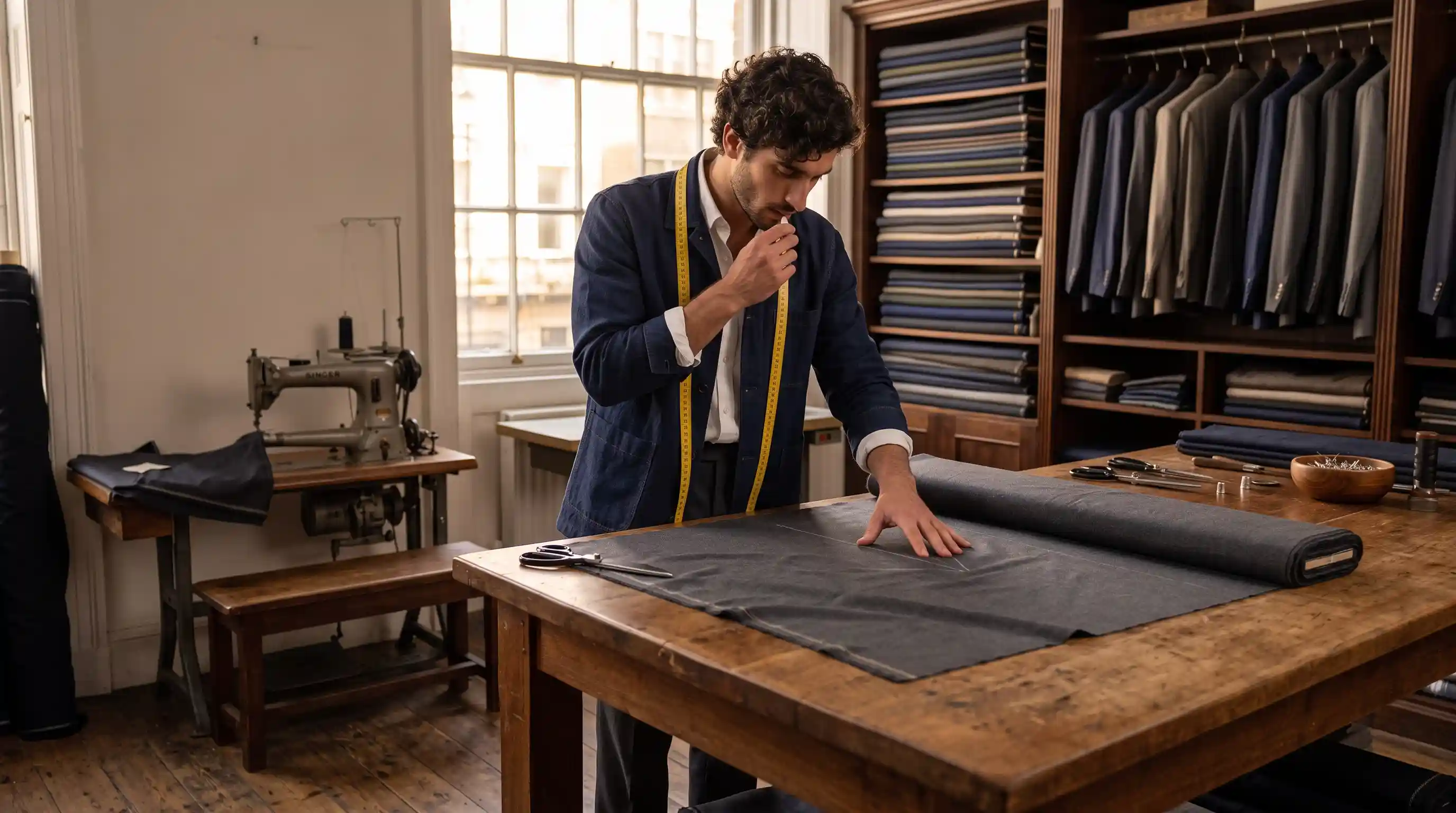
Keep the character's facial features, short dark curly hair, navy work jacket, white shirt, dark gray trousers, brown leather shoes, and yellow tailor's measuring tape consistent with the reference image. Place the character inside a traditional high-end tailoring workshop. He stands beside a large wooden cutting table, leaning slightly forward while examining a sheet of dark gray wool fabric spread across the table. One hand rests lightly on the fabric. In the background, show wooden fabric cabinets, a small number of neatly organized fabric rolls, tailoring tools, and an old industrial sewing machine. Soft afternoon daylight enters through a high side window, creating a realistic, quiet, working tailor-shop atmosphere. Only change the environment and natural working pose. Do not redesign the face, change the hairstyle, replace the clothing, or alter the yellow measuring tape.
What We Found
Both models preserved the most important identity cues: short dark curly hair, navy work jacket, white shirt, dark trousers, and the yellow measuring tape.
Nano Banana 2.1 kept the clothing and measuring tape very clearly, and the workshop contained appropriate tailoring details. However, the model introduced an extra thinking gesture with one hand near the face, which partially obscured the character's facial features.
GPT Image 2.5 followed the requested working action more directly. The character interacted with the fabric and cutting table in a way that was closer to the original instruction.
Both results remained recognizable as the same character concept, but the models prioritized different things.
Key Difference:
Nano Banana 2.1 emphasized identity-defining visual details, while GPT Image 2.5 placed more emphasis on natural action and scene interaction.
Nano Banana 2.1 vs GPT Image 2.5: The Differences at a Glance
| Test | Nano Banana 2.1 | GPT Image 2.5 | Main Difference |
|---|---|---|---|
| Commercial Photography | Natural and restrained | Stronger campaign-style lighting | Natural vs Commercial |
| Animation | Clean character design and simple visual language | Richer cinematic detail and atmosphere | Clean vs Cinematic |
| Magazine Design | Physical magazine mockup interpretation | Direct editorial cover interpretation | Mockup vs Layout |
| Cinematic VFX | Clearer and more controlled space | Greater scale and complexity | Clarity vs Scale |
| Reference Editing | More conservative product preservation | Stronger environmental integration | Preservation vs Integration |
| Character Consistency | Strong identity cues | More direct action and scene interaction | Identity vs Interaction |
So, What Is the Main Difference?
Across these six tests, Nano Banana 2.1 and GPT Image 2.5 often reached similar goals through different visual approaches.
Nano Banana 2.1 tended to be more restrained. It frequently preserved a cleaner scene structure and, in the reference editing test, made fewer aggressive changes to the existing subject.
GPT Image 2.5 tended to interpret the final creative intention more actively. In commercial photography, animation, and cinematic VFX, it often added stronger lighting, richer materials, and more environmental detail.
Neither approach is automatically better.
If you already have a defined product, character, or visual asset and your priority is to preserve the existing content while changing only specific parts, a more conservative editing style can be useful.
If you want the model to participate more actively in composition, lighting, atmosphere, and overall visual finish, a more interpretive approach may fit the task better.
Why We Included Animation, Magazine Design, and VFX
If this comparison only used portraits, product photography, and background replacement, we would be testing a very narrow slice of what modern image models can do.
Animation shows how each model handles stylization and visual storytelling.
Magazine design reveals whether the model understands typography, hierarchy, and editorial composition.
Cinematic VFX pushes spatial reasoning, scale, physical relationships, and complex object generation.
Combined with reference editing and character consistency, these tests provide a broader view of how each model behaves in real creative workflows.
Final Thoughts
The most useful question is no longer simply:
Which AI model creates the prettier first image?
Real workflows continue after the first generation.
You may ask:
Change the background.
Keep the character the same.
Do not redesign this product.
Fix the layout without changing the image.
Move this same character into the next scene.
That is why the difference between Nano Banana 2.1 and GPT Image 2.5 becomes more interesting when you test how they interpret and preserve information, not just how they generate from scratch.
You can recreate the commercial photography, animation, magazine, and VFX tests through Movmix AI Text to Image, and use AI Image to Image for the espresso-machine and character-consistency tests.
Nano Banana 2.1 and GPT Image 2.5 can reach similar goals, but they often take different visual paths to get there.
'%3e%3crect%20y='2.1906'%20width='26'%20height='17.4314'%20rx='1.55981'%20fill='white'/%3e%3c/g%3e%3crect%20x='0.311961'%20y='2.50256'%20width='25.3761'%20height='16.8075'%20rx='1.24784'%20stroke='%2322257C'%20stroke-width='0.623922'/%3e%3c/g%3e%3crect%20x='13.078'%20y='15.5656'%20width='10.8016'%20height='2.49569'%20rx='0.623922'%20fill='%2366B3FF'%20stroke='%2322257C'%20stroke-width='0.623922'/%3e%3crect%20x='-0.311961'%20y='0.311961'%20width='10.8016'%20height='2.49569'%20rx='0.623922'%20transform='matrix(-1%200%200%201%2012.61%2015.2536)'%20fill='%2366B3FF'%20stroke='%2322257C'%20stroke-width='0.623922'/%3e%3crect%20x='10.3093'%20y='13.3231'%20width='4.91339'%20height='6.98013'%20rx='2.45669'%20fill='%2322257C'/%3e%3cpath%20d='M18.9174%200.31543C20.5962%200.268025%2022.1261%200.655527%2023.9487%201.55762C24.0483%201.60695%2024.1137%201.71153%2024.1137%201.8291V16.502C24.1137%2016.7236%2023.8763%2016.891%2023.6499%2016.7979C21.803%2016.0377%2020.2158%2015.6963%2018.4975%2015.7705C16.8915%2015.8399%2015.1907%2016.2732%2013.0776%2017.0332V1.6709C15.4678%200.825877%2017.2746%200.36187%2018.9174%200.31543Z'%20fill='white'%20stroke='%2322257C'%20stroke-width='0.623922'/%3e%3cpath%20d='M15.3008%204.57C16.3536%203.94578%2019.2783%203.20503%2021.8909%203.94608'%20stroke='%2366B3FF'%20stroke-width='0.935883'%20stroke-linecap='round'/%3e%3cpath%20d='M15.3008%207.26054C16.3536%206.63631%2019.2783%205.89557%2021.8909%206.63661'%20stroke='%2366B3FF'%20stroke-width='0.935883'%20stroke-linecap='round'/%3e%3cpath%20d='M15.3008%209.95107C16.3536%209.32684%2019.2783%208.5861%2021.8909%209.32714'%20stroke='%2366B3FF'%20stroke-width='0.935883'%20stroke-linecap='round'/%3e%3cpath%20d='M15.3008%2012.6398C16.3536%2012.0156%2019.2783%2011.2749%2021.8909%2012.0159'%20stroke='%2366B3FF'%20stroke-width='0.935883'%20stroke-linecap='round'/%3e%3cpath%20d='M7.08257%200.31543C5.40384%200.268025%203.87393%200.655527%202.05132%201.55762C1.95165%201.60695%201.88628%201.71153%201.88628%201.8291V16.502C1.88628%2016.7236%202.12373%2016.891%202.35014%2016.7979C4.19702%2016.0377%205.78418%2015.6963%207.50249%2015.7705C9.10852%2015.8399%2010.8093%2016.2732%2012.9224%2017.0332V1.6709C10.5322%200.825877%208.72541%200.36187%207.08257%200.31543Z'%20fill='white'%20stroke='%2322257C'%20stroke-width='0.623922'/%3e%3cpath%20d='M10.6992%204.57C9.64638%203.94578%206.72175%203.20503%204.10907%203.94608'%20stroke='%2366B3FF'%20stroke-width='0.935883'%20stroke-linecap='round'/%3e%3cpath%20d='M10.6992%207.26054C9.64638%206.63631%206.72175%205.89557%204.10907%206.63661'%20stroke='%2366B3FF'%20stroke-width='0.935883'%20stroke-linecap='round'/%3e%3cpath%20d='M10.6992%209.95107C9.64638%209.32684%206.72175%208.5861%204.10907%209.32714'%20stroke='%2366B3FF'%20stroke-width='0.935883'%20stroke-linecap='round'/%3e%3cpath%20d='M10.6992%2012.6398C9.64638%2012.0156%206.72175%2011.2749%204.10907%2012.0159'%20stroke='%2366B3FF'%20stroke-width='0.935883'%20stroke-linecap='round'/%3e%3c/g%3e%3cdefs%3e%3cfilter%20x='0'%20y='2.1906'%20width='26'%20height='17.4314'%20filterUnits='userSpaceOnUse'%20color-interpolation-filters='sRGB'%3e%3cfeFlood%20flood-opacity='0'%20result='BackgroundImageFix'/%3e%3cfeBlend%20mode='normal'%20in='SourceGraphic'%20in2='BackgroundImageFix'%20result='shape'/%3e%3cfeColorMatrix%20in='SourceAlpha'%20type='matrix'%20values='0%200%200%200%200%200%200%200%200%200%200%200%200%200%200%200%200%200%20127%200'%20result='hardAlpha'/%3e%3cfeOffset%20dy='-1.24784'/%3e%3cfeComposite%20in2='hardAlpha'%20operator='arithmetic'%20k2='-1'%20k3='1'/%3e%3cfeColorMatrix%20type='matrix'%20values='0%200%200%200%200.572549%200%200%200%200%200.768627%200%200%200%200%200.976471%200%200%200%201%200'/%3e%3cfeBlend%20mode='normal'%20in2='shape'%20result='effect1_innerShadow_0_4'/%3e%3c/filter%3e%3c/defs%3e%3c/svg%3e)